Blog

  • Regenerative Connections: Eco Caminhos’ Visit to the Araçá Project — Conservation, Permaculture, and Reforestation in Brazil

    Regenerative Connections: Eco Caminhos’ Visit to the Araçá Project — Conservation, Permaculture, and Reforestation in Brazil

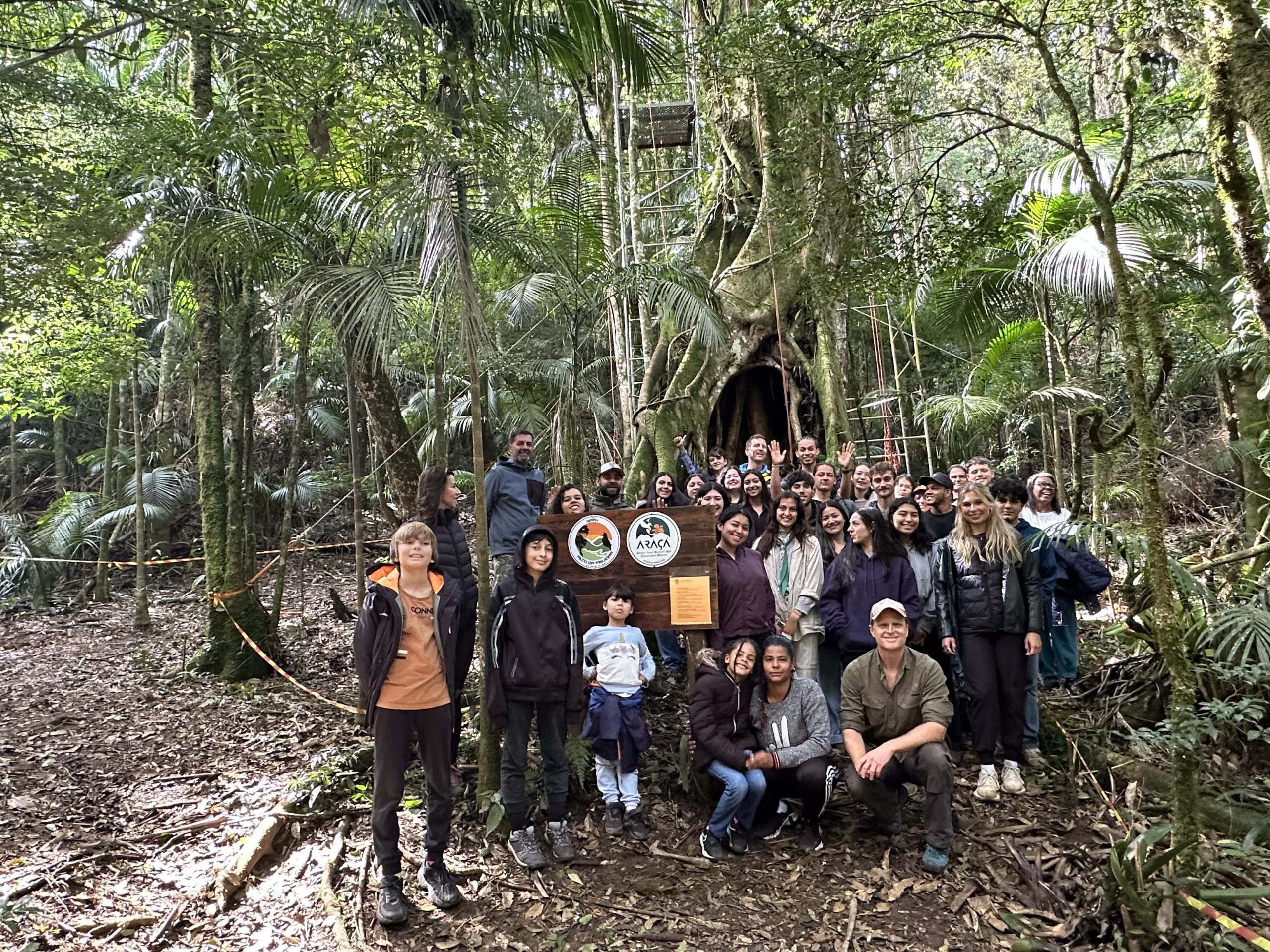
    On the morning of June 19, 2025, a diverse and enthusiastic group departed from Eco Caminhos, a sustainability farm known for its permaculture, agroforestry, and natural building practices, heading to RPPN Alto da Figueira, in Nova Friburgo (RJ). Excitement was high: farm workers, international volunteers, members of the Ecolibrium Association, and 12 students from Saint Mary’s University and Texas A&M were on their way to experience the conservation work of the Araçá Project—an initiative focused on scientific research and Atlantic Forest reforestation in Brazil.

    Understanding the Araçá Project and Its Role in Atlantic Forest Reforestation

    The Araçá Project is a visionary initiative by Alexandre and Anna Antonelli, co-founders of the Antonelli Foundations for Biodiversity Research and Conservation. Based in the RPPN Alto da Figueira, a 120-hectare Private Natural Heritage Reserve, the project is located in one of Brazil’s most biodiverse regions.

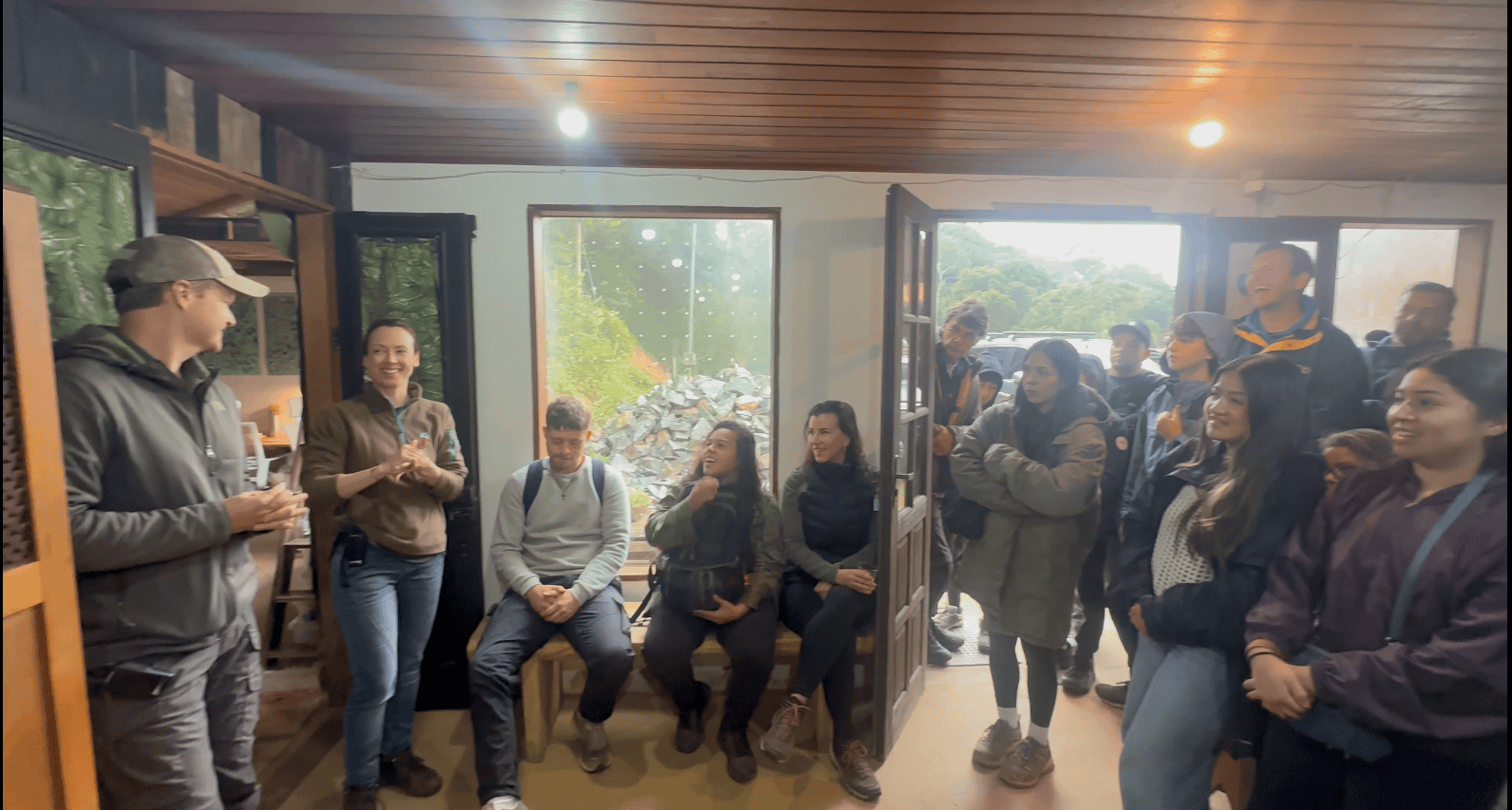
    foto recepção

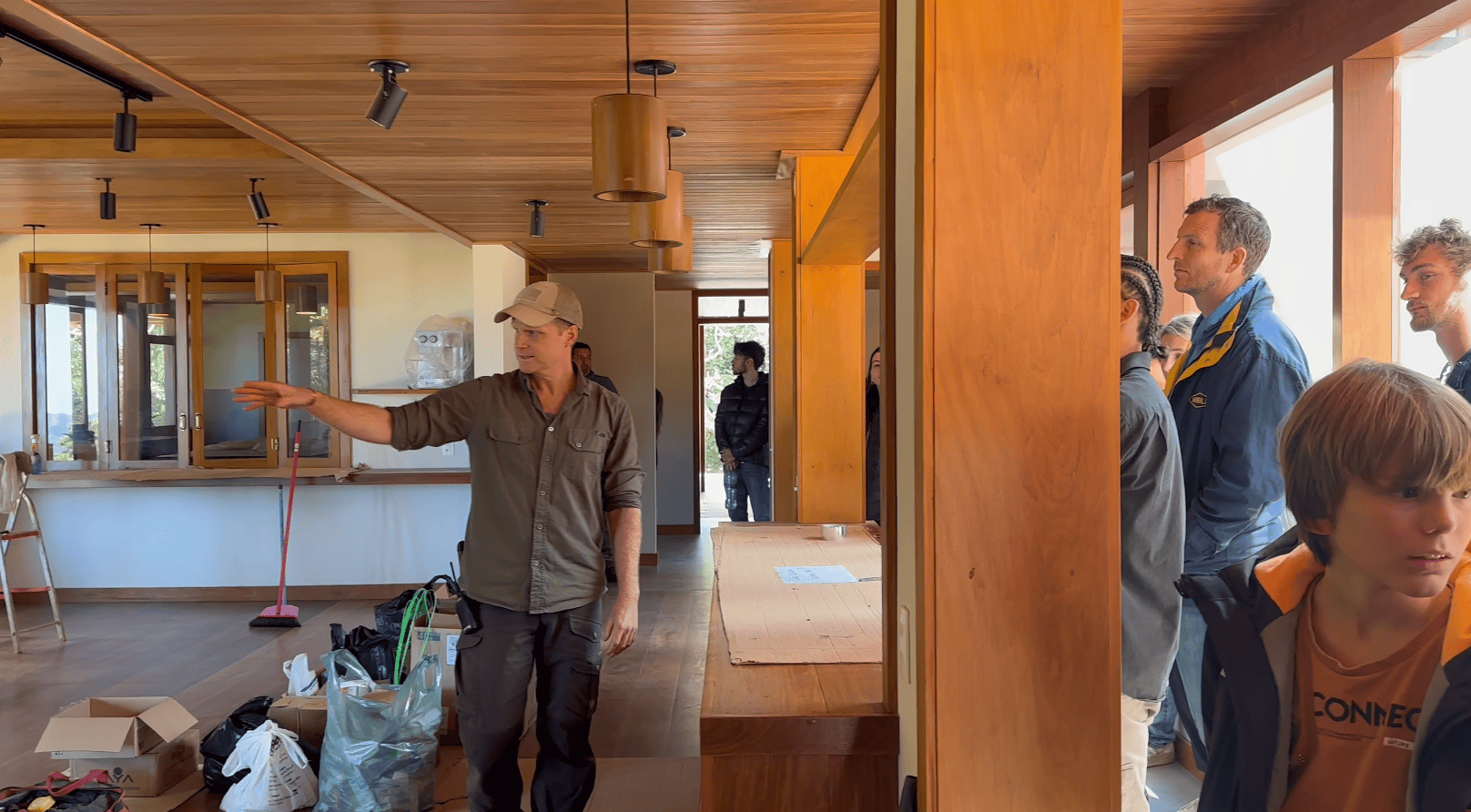
    Thomas Berg and Karine Bresolin introduced the project’s mission, emphasizing a broader objective: building a network of science, education, reforestation, and community engagement to regenerate the Atlantic Forest and balance the relationship between humans and nature. Plans include expanding protected areas and supporting local communities through sustainable land use.

    Trail, Science, and Wonder in Brazil’s Atlantic Forest

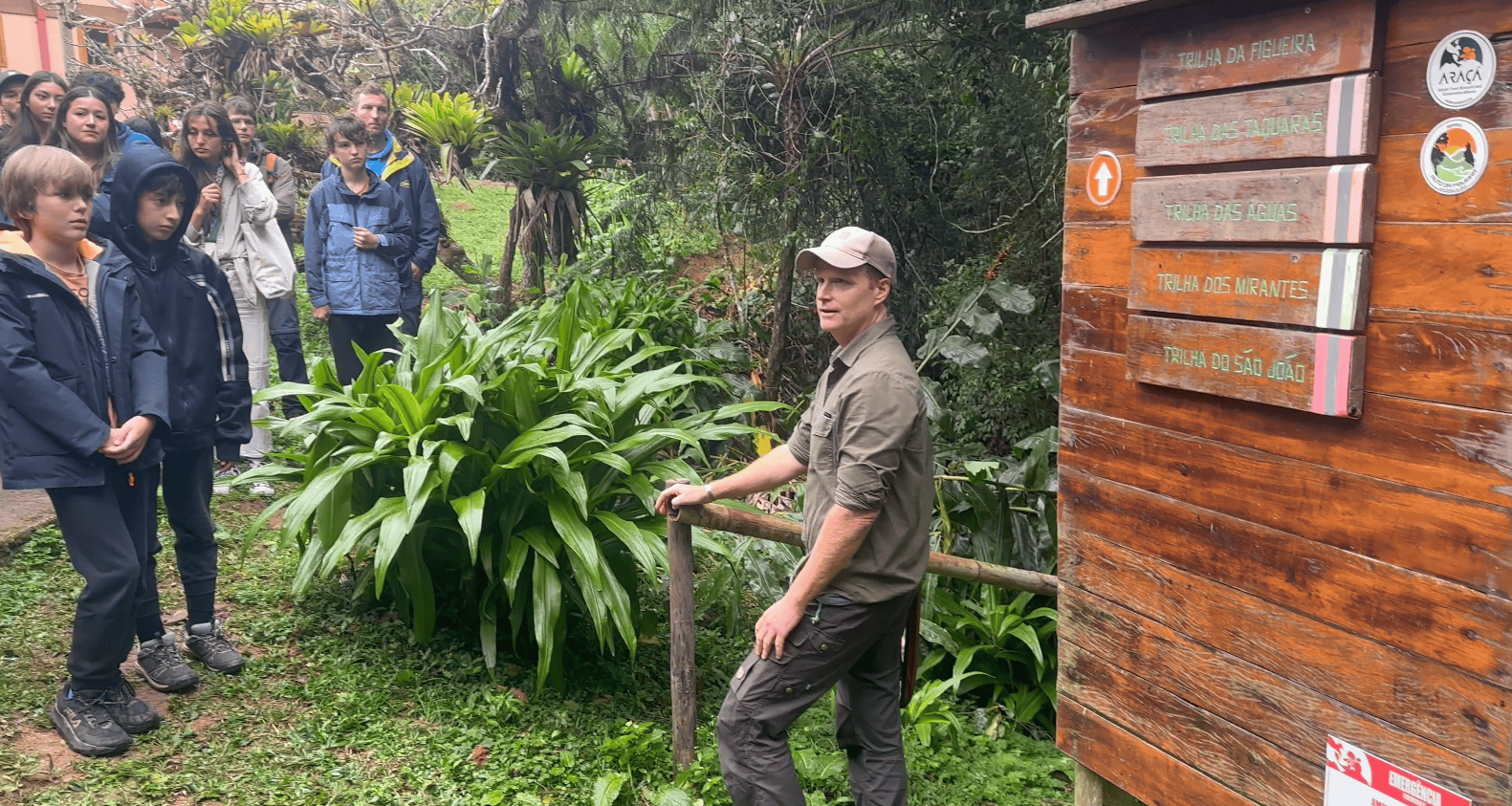
    comeco trilha

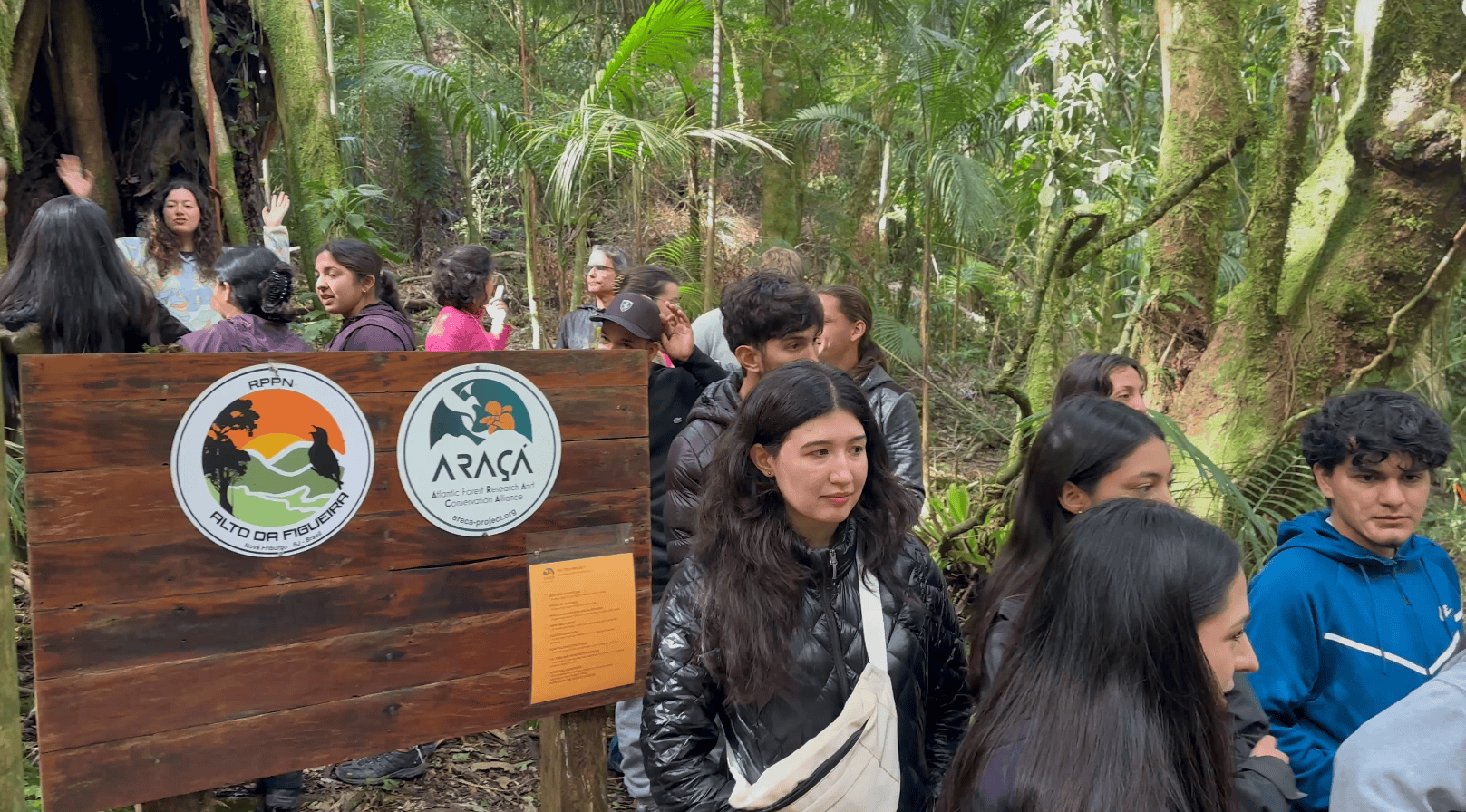
    The walk through the forest trail was transformative. Surrounded by lush vegetation and birdsong, we arrived at a majestic centuries-old fig tree, a key site for ecological studies.

    “Even from the ground, you can tell how many species it hosts,” said Thomas. The tree stood as a symbol of interconnected biodiversity, with epiphytes, insects, lichens, and birds coexisting in harmony.

    foreigner students

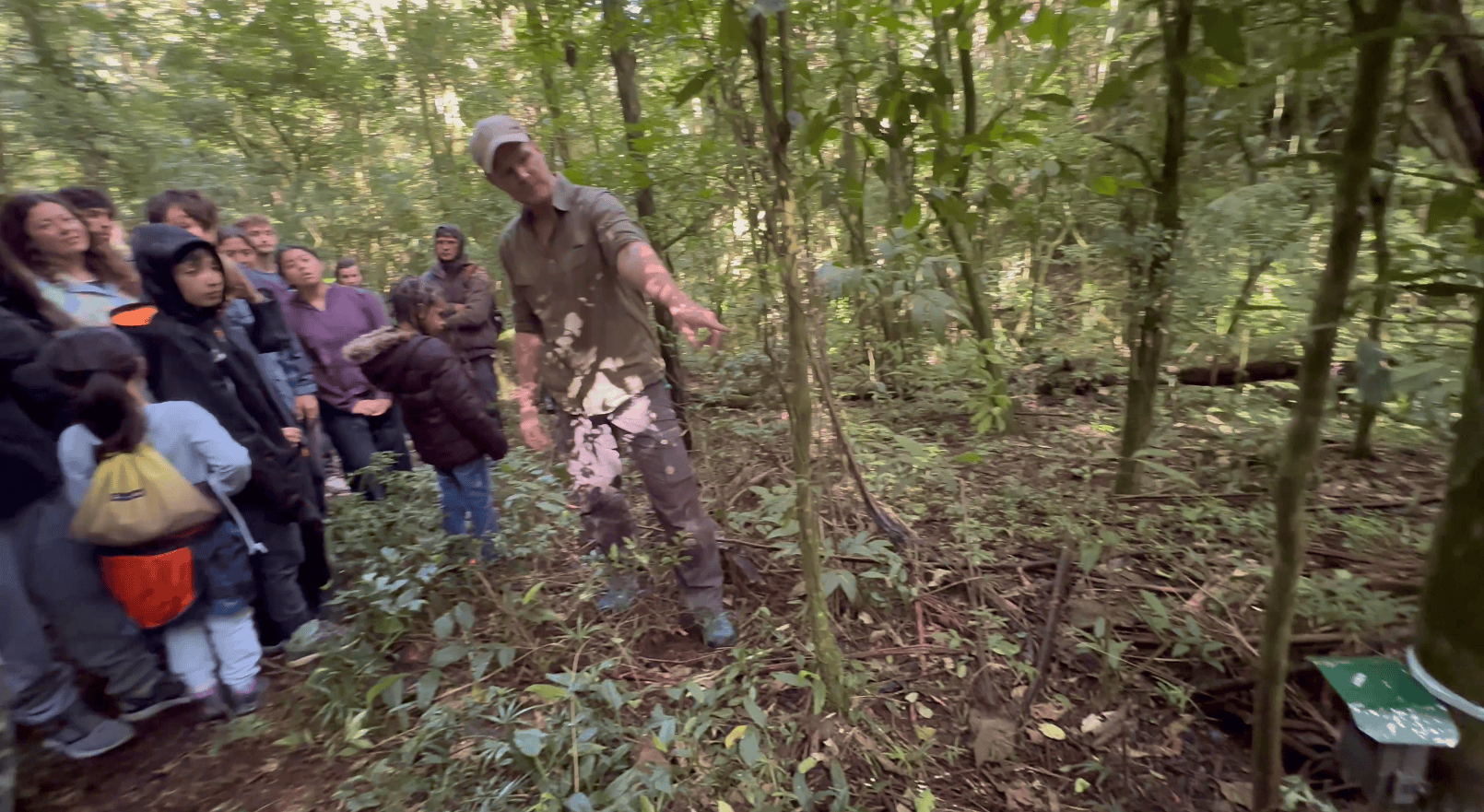
    Next, we visited a camera trap used to monitor wildlife. Thomas shared stories of local fauna and the importance of such tools in biodiversity research. He also addressed the negative impacts of domestic animals on conservation areas, highlighting real challenges faced with neighboring lands.

    camera trap

    Later, we saw a forest area where LIDAR technology had been used for 3D mapping. This site enables long-term studies of natural regeneration, offering a vivid view of how the forest heals itself.

    Science and Sustainability in Progress: A Hub for Permaculture and Conservation Research

    Our final stop was the future Araçá Research Center, a modern facility under construction. Once completed, it will host global scientists studying biodiversity, conservation, permaculture, and climate change, especially in the Atlantic Forest context.

    More than a laboratory, this center will be a convergence point for diverse perspectives—scientific and traditional—committed to ecological restoration.

    centro pesquisa

    A Threatened But Living Heritage — and an Opportunity for Volunteers in South America

    The Atlantic Forest is one of the world’s richest biomes in biodiversity. Yet, more than 92% of its original area has been lost over two centuries due to agriculture, urbanization, and logging. Despite this, what remains is home to many endemic and endangered species.

    Projects like Araçá provide hope. Protecting and restoring the forest benefits climate stability, biodiversity, and local communities. It’s also a compelling opportunity for those seeking meaningful volunteering experiences in South America.

    A Day That Inspires Permaculture Practitioners and Eco Volunteers

    For us at Eco Caminhos, the visit was more than an educational outing. It was a call to action. We returned inspired and more aware of our role in collective conservation.

    Our daily work at Eco Caminhos integrates agroforestry, permaculture, bioconstruction, and volunteer engagement in Brazil. Visiting a like-minded project grounded in scientific integrity reaffirmed our mission.

    Want to learn more about agroforestry? Visit our page on the website: https://zieplay.com/agroforestry-syntropic-agriculture/

    IMG

    United Paths for Reforestation and Agroforestry

    We sincerely thank Thomas Berg, Karine Bresolin, the Araçá Project team, and the Antonelli Foundations. Special thanks to the students from the USA—your presence enriched this journey.

    We at Eco Caminhos are committed to contributing however possible so that together we can protect, restore, and celebrate the Atlantic Forest.

    Be a part of it too! Come and become a volunteer at Eco Caminhos.
    https://zieplay.com/volunteer-in-brazil/

    Learn more about the Araçá Project at https://www.projeto-araca.org/


  • Celebrating the Atlantic Forest and Mountain Culture in the Heart of Nova Friburgo: Agroforestry, Environmental Education, Volunteering and Adventure Sports

    Celebrating the Atlantic Forest and Mountain Culture in the Heart of Nova Friburgo: Agroforestry, Environmental Education, Volunteering and Adventure Sports

    [vc_row css=”.vc_custom_1739379399395{margin-right: 30px !important;margin-left: 30px !important;}”][vc_column][gap size=”30px” id=”” class=”” style=””][/vc_column][/vc_row][vc_row css=”.vc_custom_1740408802641{margin-right: 30px !important;margin-left: 30px !important;}”][vc_column width=”1/2″][swmsc_text_block id=”” class=”” style=””]Is it possible to connect Agroforestry, Environmental Education, Volunteering and Adventure Sports? Read this article and find out if so!

    The month of May invites us to take a closer look at one of Brazil’s greatest natural treasures: the Atlantic Forest. On May 27, we celebrate National Atlantic Forest Day — more than just a tribute, this date is a call for awareness and collective action for the preservation and regeneration of nature that still survives among the mountains of southeastern Brazil.

    And if there’s one place where this call is taken seriously, it’s at Eco Caminhos, our ecofarm located in the mountainous region of Nova Friburgo, Rio de Janeiro.

    🌿 A Living Forest That Needs Care

    The Atlantic Forest is home to around 72% of Brazil’s population and has already lost over 85% of its original vegetation. Even so, it remains one of the most biodiverse biomes in the world, with unique species of fauna and flora. Nova Friburgo is part of this ecosystem and therefore demands special attention.

    Preserving what’s left and restoring what’s been lost requires practical action, ecological education, and a new perspective on how we produce, consume, and live. At Eco Caminhos, we practice active environmental regeneration through agroforestry systems that mimic the natural functioning of forests, eco-friendly bioconstruction using local materials, and permaculture as both a philosophy and a lifestyle.[/swmsc_text_block][gap size=”30px” id=”” class=”” style=””][/vc_column][vc_column width=”1/2″][swmsc_image_gallery border_radius=”0″ border_width=”0″ border_color=”#e6e6e6″ image_margin=”40px” image_size=”full” columns=”1″ grid_type=”masonry” image_text=”none” hover_icon_color=”#ffffff” hover_icon_bg_color=”#f8b54e” title_text_size=”20px” title_text_color=”#555555″ caption_text_size=”16px” caption_text_color=”#777777″ caption_border=”off” id=”” class=”” style=”” image_ids=”27340,27339″][/vc_column][/vc_row][vc_row css=”.vc_custom_1739379399395{margin-right: 30px !important;margin-left: 30px !important;}”][vc_column][swmsc_image_gallery border_radius=”5px” border_width=”0″ border_color=”#e6e6e6″ image_margin=”20px” image_size=”full” columns=”3″ grid_type=”none” image_text=”none” hover_icon_color=”#ffffff” hover_icon_bg_color=”#f8b54e” title_text_size=”20px” title_text_color=”#555555″ caption_text_size=”16px” caption_text_color=”#777777″ caption_border=”off” id=”” class=”” style=””][gap size=”30px” id=”” class=”” style=””][swmsc_text_block id=”” class=”” style=””]🌱 Eco Caminhos: Environmental Regeneration and Social Transformation

    Caring for the Atlantic Forest is not a campaign — it’s our daily routine. At our farm, we don’t just admire the forest — we work daily to regenerate it.

    We are an ecofarm founded on permaculture principles, nestled in the mountains of Nova Friburgo. Here, we live and promote an integrated approach to sustainability that includes:

    Our work goes beyond the land: we positively impact the local community, promoting social inclusion, environmental education, and offering opportunities for youth and adults to reconnect with nature in a practical and transformative way.[/swmsc_text_block][swmsc_image_gallery border_radius=”0px” border_width=”0″ border_color=”#e6e6e6″ image_margin=”20px” image_size=”full” columns=”2″ grid_type=”masonry” image_text=”none” hover_icon_color=”#ffffff” hover_icon_bg_color=”#f8b54e” title_text_size=”20px” title_text_color=”#555555″ caption_text_size=”16px” caption_text_color=”#777777″ caption_border=”off” id=”” class=”” style=”” image_ids=”27341,27343,27344,26962″][gap size=”30px” id=”” class=”” style=””][/vc_column][/vc_row][vc_row css=”.vc_custom_1739379399395{margin-right: 30px !important;margin-left: 30px !important;}”][vc_column][swmsc_image_gallery border_radius=”5px” border_width=”0″ border_color=”#e6e6e6″ image_margin=”20px” image_size=”full” columns=”3″ grid_type=”none” image_text=”none” hover_icon_color=”#ffffff” hover_icon_bg_color=”#f8b54e” title_text_size=”20px” title_text_color=”#555555″ caption_text_size=”16px” caption_text_color=”#777777″ caption_border=”off” id=”” class=”” style=””][gap size=”30px” id=”” class=”” style=””][swmsc_text_block id=”” class=”” style=””]🏔️ Free Mountain Festival: Sports, Culture, and Nature in Harmony

    This year, the Free Mountain Festival added even more meaning to May. Held at Espaço ARP and in the mountains of Nova Friburgo, the event celebrates outdoor life and mountain culture with activities like trekking, climbing, trail running, along with environmental talks, cultural exhibitions, and open-air cinema.

    More than a sporting event, the Free Mountain Festival proved that it’s possible to combine adventure, art, culture, and environmental responsibility — creating experiences that both inspire and raise awareness.

    Eco Caminhos strongly believes in this type of initiative. Seeing so many people connect with nature and exchange knowledge reinforces our belief that change is already underway — and can gain even more strength through unity and purpose.

    Check out the event website: https://freemountain.com.br/[/swmsc_text_block][swmsc_image_gallery border_radius=”0px” border_width=”0″ border_color=”#e6e6e6″ image_margin=”20px” image_size=”full” columns=”2″ grid_type=”masonry” image_text=”none” hover_icon_color=”#ffffff” hover_icon_bg_color=”#f8b54e” title_text_size=”20px” title_text_color=”#555555″ caption_text_size=”16px” caption_text_color=”#777777″ caption_border=”off” id=”” class=”” style=”” image_ids=”27345,27346″][gap size=”30px” id=”” class=”” style=””][/vc_column][/vc_row][vc_row css=”.vc_custom_1740408854358{margin-right: 30px !important;margin-left: 30px !important;}”][vc_column width=”1/2″ css=”.vc_custom_1740579636539{margin-right: 100px !important;padding-right: 50px !important;}”][gap size=”30px” id=”” class=”” style=””][gap size=”30px” id=”” class=”” style=””][swmsc_image link=”#” lightbox=”true” target=”_self” lightbox_type=”image” align=”left” alt=”” title=”” border_radius=”0px” id=”” class=”” style=”” src=”27342″][/vc_column][vc_column width=”1/2″][gap size=”30px” id=”” class=”” style=””][swmsc_text_block id=”” class=”” style=””]🌍 Sustainability in Practice: Our Local and Global Role

    Eco Caminhos is a space for ecological and social transformation. We welcome volunteers, apprentices, and tourists from all over the world who come to learn, teach, and live a new way of connecting with the Earth. By regenerating the soil, planting trees, building homes with earth, and living in community, we are writing a new narrative for the planet — and it starts here, in the Atlantic Forest.

    We believe that preservation doesn’t happen alone. It takes partnerships, events, education, and the active presence of the community. That’s why we celebrate every movement that values our mountains, our forest, and our mountain culture.[/swmsc_text_block][/vc_column][/vc_row][vc_row css=”.vc_custom_1731520578623{margin-right: 20px !important;margin-left: 20px !important;}”][vc_column][gap size=”30px” id=”” class=”” style=””][swmsc_text_block id=”” class=”” style=””]🤝 The Future Depends on Our Choices

    The Atlantic Forest needs more than protection — it needs engaged, connected people willing to change the way they live. That’s what we seek at Eco Caminhos. And that’s why every visit, every festival, every volunteer, and every tree planted matters.

    If you believe in this path, come visit us. Join us as a volunteer, apprentice, or guest. Help regenerate the forest and build a fairer, more sustainable, and nature-connected future.
    🌐 www.zieplay.com[/swmsc_text_block][vc_single_image image=”27074″ img_size=”large” css=””][/vc_column][/vc_row]

  • A New Path to Lasting Impact: Strengthening Small Regenerative Organizations

    A New Path to Lasting Impact: Strengthening Small Regenerative Organizations

    Why a New Path Is Urgently Needed

    In today’s increasingly self-centered and fragmented world, regenerative organizations offer a powerful response to the climate crisis, rural youth exodus, and growing social inequality. Despite macroeconomic improvements, many young adults in urban areas still face high unemployment and informal jobs, with few real opportunities for personal and professional growth.

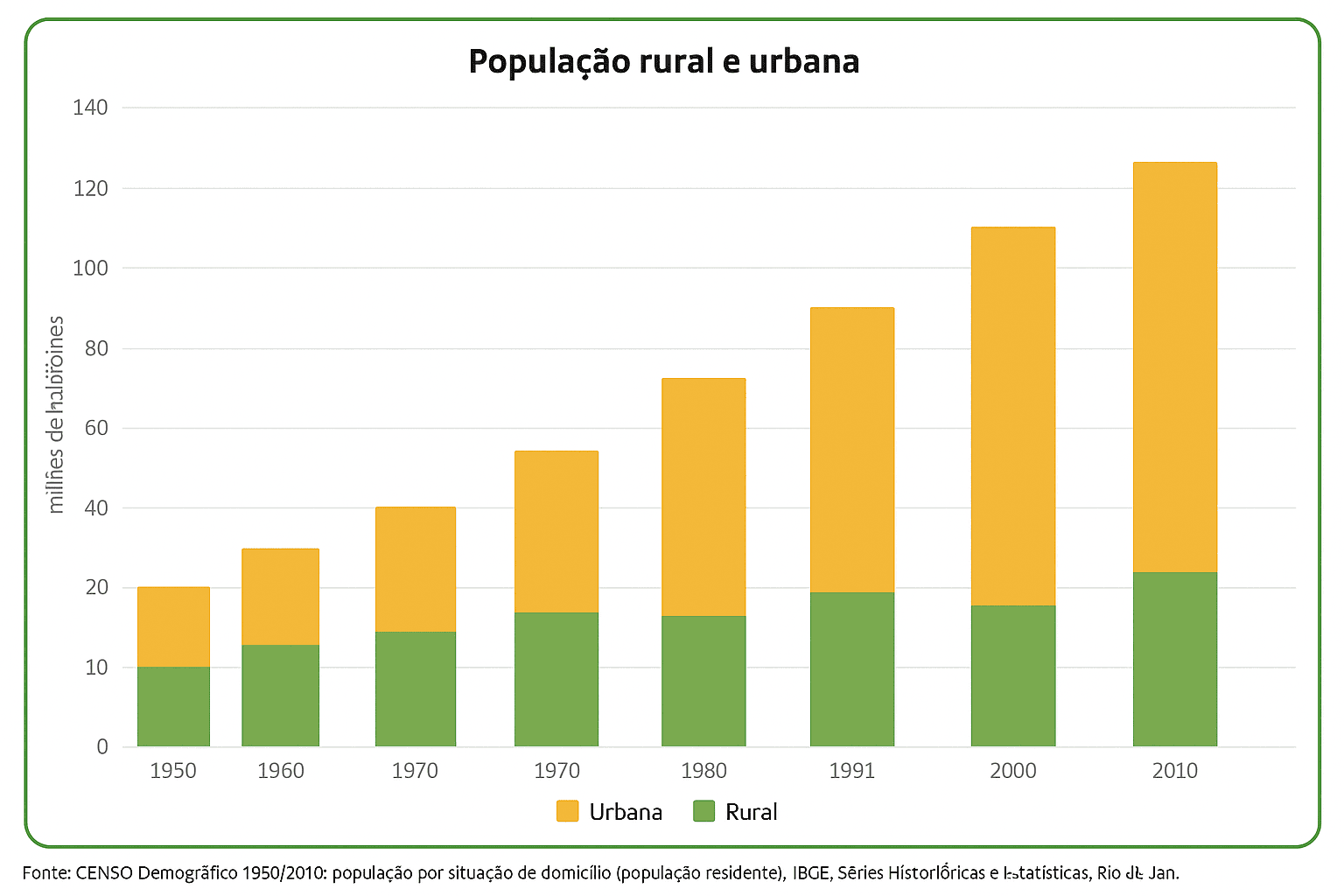
    A urbanização do Brasil e a relação com a densidade demográfica


    According to the Conexão Escola portal, Brazil’s urbanization process is closely tied to population density and has led to a significant rural exodus. From 2010 to 2022, Brazil’s rural population declined from 15.6% to 12.6%, while the urban population rose from 84.4% to 87.4%. This trend illustrates not only a territorial shift, but also the forced displacement of rural communities due to lack of opportunities, highlighting the urgent need to strengthen regenerative organizations in rural areas.


    This is where Eco Caminhos and the Ecolibrium Association step in. Based in Nova Friburgo, Brazil, they are pioneering a model that harmoniously integrates ecological, social, and commercial dimensions—proving that it is possible to regenerate the land while also empowering people and building financially sustainable systems.

    (more…)

  • Volunteer Experience: From Banking to Building and Finance to Farming

    Volunteer Experience: From Banking to Building and Finance to Farming

    [vc_row css=”.vc_custom_1739379399395{margin-right: 30px !important;margin-left: 30px !important;}”][vc_column][swmsc_text_block id=”” class=”” style=””]Having left my work in the field of international development cooperation, mostly working outside and directly with and for people in conflict zones, it was a major change to spend the last four years in the financial sector. Working Inside an office or inside my home, mostly just in the company of my laptop and going through the typical nine to five job, creates the need to try and balance out the back pain from sitting for hours and watching the screen, with yoga, sports and a gym membership. It became clear another big change was needed. 

    Volunteering felt like a great way to forget about finance for a while, both those of the bank I worked at as well as my own and simply enjoy the opportunity to contribute to something meaningful without the typical obligations of a regular job or the financial gain. Here at Eco Caminhos farm where the permaculture mentality serves as an overarching principle, no gym membership is needed and the right balance is in the daily work itself, filled with moments of physical activity and healthy food. So where exactly is here?[/swmsc_text_block][gap size=”30px” id=”” class=”” style=””][gap size=”30px” id=”” class=”” style=””][/vc_column][/vc_row][vc_row css=”.vc_custom_1740408802641{margin-right: 30px !important;margin-left: 30px !important;}”][vc_column width=”1/2″][swmsc_text_block id=”” class=”” style=””]

    The Majestic Mata Atlântica

    The majestic Atlantic Forest, or Mata Atlântica, before colonial times still the second largest rainforest on the planet with an impressive 1- 1.5 million km2, has all but been deforested. Only around 15% of the original area remains, with many plant and animal species threatened with extinction. At the same time, astonishingly this area currently contains around that same percentage of the world’s biodiversity, with even more species being discovered every day.

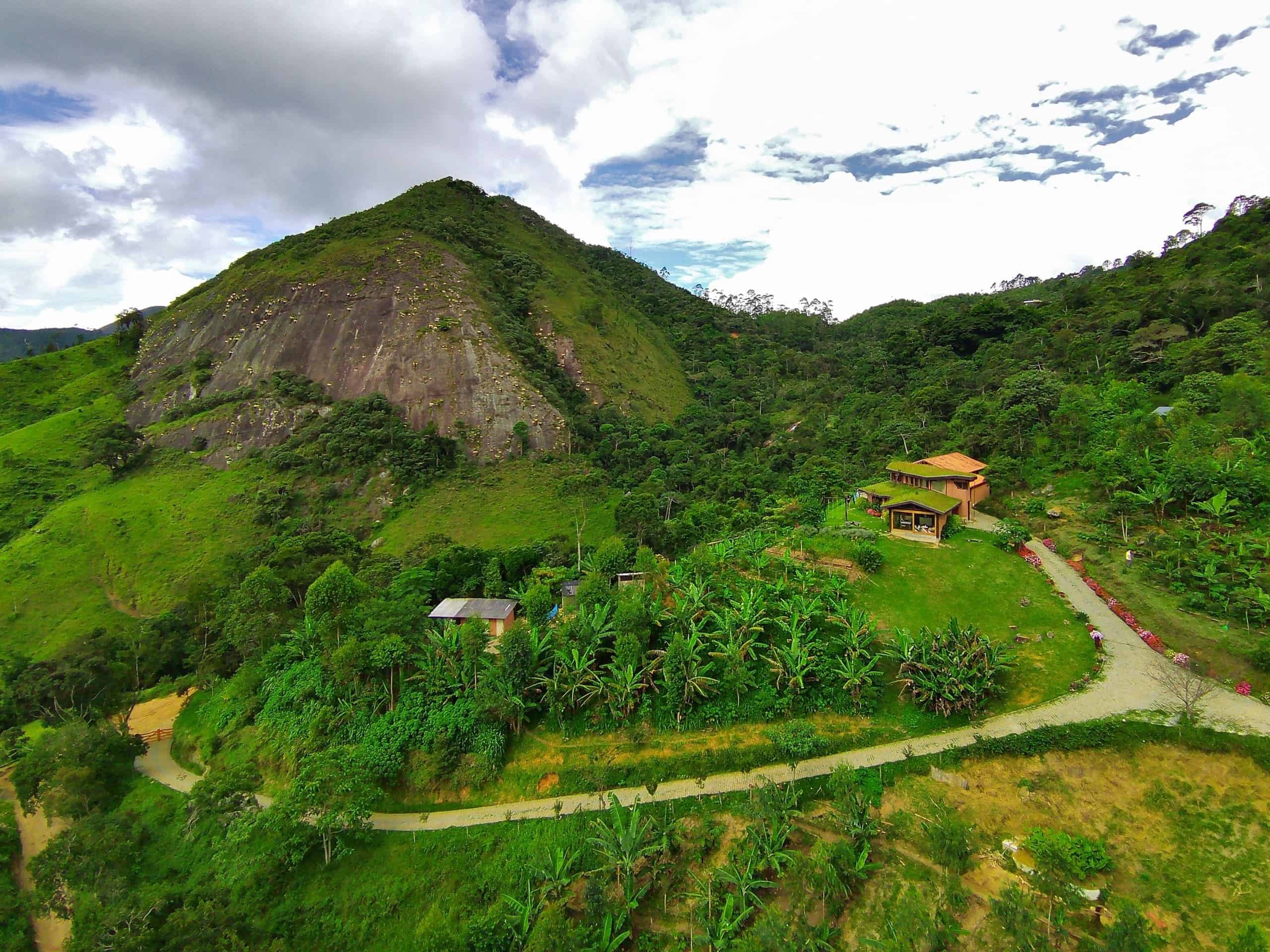
    At 1.200m altitude at the Eco Caminhos farm, I am lucky to have an amazing view over part of that 15% while sipping quality coffee and enjoying homemade bread during our morning break. It is here that as a volunteer I am learning the basics on concepts such as agroforestry, permaculture and bioconstruction, how and why these are being applied here at the farm and the benefits they provide, to both people and nature. 

    The stunning views of the natural landscape with all its diversity, are complemented by a mix just as impressive, that of the international volunteers, local apprentices and staff. From Canada to Japan, Colombia to Korea, criss-crossing the European continent and various regions of Brazil, it has all come together on this farm with similar goals in mind: to connect, to contribute and to learn.[/swmsc_text_block][gap size=”30px” id=”” class=”” style=””][/vc_column][vc_column width=”1/2″][swmsc_image_gallery border_radius=”0″ border_width=”0″ border_color=”#e6e6e6″ image_margin=”20px” image_size=”full” columns=”1″ grid_type=”masonry” image_text=”none” hover_icon_color=”#ffffff” hover_icon_bg_color=”#f8b54e” title_text_size=”20px” title_text_color=”#555555″ caption_text_size=”16px” caption_text_color=”#777777″ caption_border=”off” id=”” class=”” style=”” image_ids=”27142,27144″][/vc_column][/vc_row][vc_row css=”.vc_custom_1739379399395{margin-right: 30px !important;margin-left: 30px !important;}”][vc_column][swmsc_image_gallery border_radius=”5px” border_width=”0″ border_color=”#e6e6e6″ image_margin=”20px” image_size=”full” columns=”3″ grid_type=”none” image_text=”none” hover_icon_color=”#ffffff” hover_icon_bg_color=”#f8b54e” title_text_size=”20px” title_text_color=”#555555″ caption_text_size=”16px” caption_text_color=”#777777″ caption_border=”off” id=”” class=”” style=””][gap size=”30px” id=”” class=”” style=””][swmsc_text_block id=”” class=”” style=””]

    Agroforestry

    As part of the agroforestry presentation and hands-on experience in the respective systems, we learn for example about the different stratums or layers that are there now and will be there in the future, as the fields are constantly evolving. Every time you prune, you bring the system to a higher level. The higher advanced the forest, the richer the biomass. So what takes place here, is a constant accumulation of quality we are told. First though, comes the basic task of weeding, before wielding the machete. Getting our hands dirty clearing the soil around the coffee plants, the cash crop integrated into the agroforestry systems, we understand that the goal here is not the coffee itself but to bring back the forest. The coffee is a means to an end, to make it all possible. A Mico monkey seems to be interested in the explanations as well and is happily observing us from above, before it decides to jump over to one of the large banana trees and make off with one of its fruits.[/swmsc_text_block][swmsc_image_gallery border_radius=”0px” border_width=”0″ border_color=”#e6e6e6″ image_margin=”20px” image_size=”full” columns=”2″ grid_type=”masonry” image_text=”none” hover_icon_color=”#ffffff” hover_icon_bg_color=”#f8b54e” title_text_size=”20px” title_text_color=”#555555″ caption_text_size=”16px” caption_text_color=”#777777″ caption_border=”off” id=”” class=”” style=”” image_ids=”27159,27160,27161,27162″][gap size=”30px” id=”” class=”” style=””][/vc_column][/vc_row][vc_row css=”.vc_custom_1739379399395{margin-right: 30px !important;margin-left: 30px !important;}”][vc_column][swmsc_image_gallery border_radius=”5px” border_width=”0″ border_color=”#e6e6e6″ image_margin=”20px” image_size=”full” columns=”3″ grid_type=”none” image_text=”none” hover_icon_color=”#ffffff” hover_icon_bg_color=”#f8b54e” title_text_size=”20px” title_text_color=”#555555″ caption_text_size=”16px” caption_text_color=”#777777″ caption_border=”off” id=”” class=”” style=””][gap size=”30px” id=”” class=”” style=””][swmsc_text_block id=”” class=”” style=””]

    Bioconstruction

    After a theoretical basic introduction to bioconstruction, it’s time to not just get our hands dirty, but also our feet. To the tune of Colombian salsa, we dance around with bare feet in a mix of clay, sand, water and dried grass. Adding more of one or the other ingredient as we go along, the mix slowly gets the consistency and quality needed to be used as building material, called cob. We are a bit further down the hill from the main farm and it is here that we are building the future. Ecolibrium, as the project is called, is not just the future of the farm, but the future of the region, according to the vision of Bart, the founder of Eco Caminhos and president of the Ecolibrium Association. 

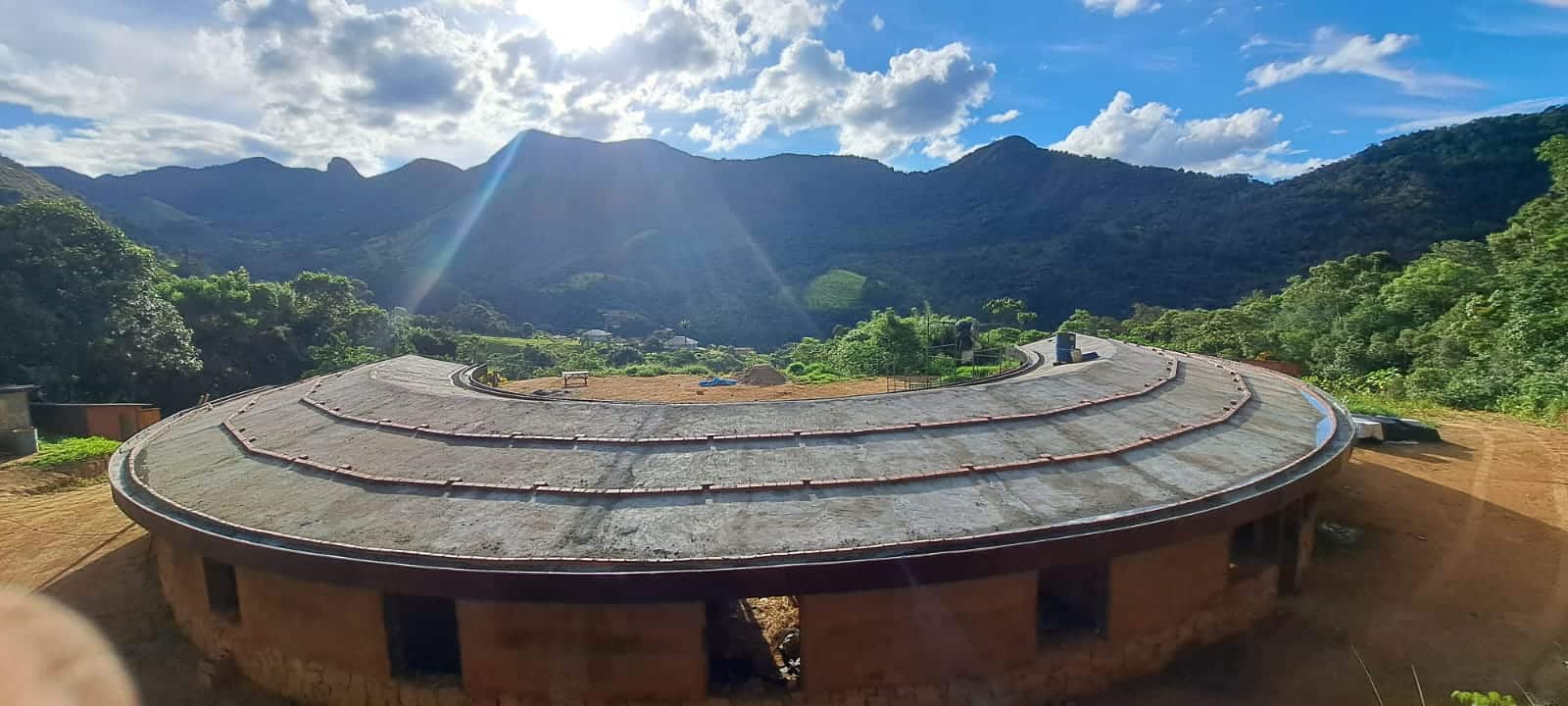
    With around 1200 m3, Ecolibrium is one of the biggest bioconstruction projects in Latin America and is to be a knowledge centre meant for capacity building, educational partnerships and events and with the goal in mind of developing a social impact in the region and beyond. While trying to stick the cob to the wall and smear it out in an evenly manner (something much harder than you would think), we listen to Bart explaining that the vision of Ecolibrium is to create a consciousness in the region that harmonizes agriculture, life and community with nature. Focused on passing this knowledge on to the next generation by teaching the principles of permaculture, agroforestry and bioconstruction to a local and global audience. [/swmsc_text_block][swmsc_image_gallery border_radius=”0px” border_width=”0″ border_color=”#e6e6e6″ image_margin=”20px” image_size=”full” columns=”2″ grid_type=”masonry” image_text=”none” hover_icon_color=”#ffffff” hover_icon_bg_color=”#f8b54e” title_text_size=”20px” title_text_color=”#555555″ caption_text_size=”16px” caption_text_color=”#777777″ caption_border=”off” id=”” class=”” style=”” image_ids=”27166,27167,27168,27169″][gap size=”30px” id=”” class=”” style=””][/vc_column][/vc_row][vc_row css=”.vc_custom_1740408854358{margin-right: 30px !important;margin-left: 30px !important;}”][vc_column width=”1/2″ css=”.vc_custom_1740579636539{margin-right: 100px !important;padding-right: 50px !important;}”][gap size=”30px” id=”” class=”” style=””][gap size=”30px” id=”” class=”” style=””][swmsc_image link=”#” lightbox=”true” target=”_self” lightbox_type=”image” align=”left” alt=”” title=”” border_radius=”0px” id=”” class=”” style=”” src=”27171″][/vc_column][vc_column width=”1/2″][gap size=”30px” id=”” class=”” style=””][swmsc_text_block id=”” class=”” style=””]

    Dreaming Big

    It sounds big. And it is. But dreaming big and sticking to it is also what Eco Caminhos is about as I quickly learn and looking around to what we are doing and the global audience that is already present, it seems and feels like the project is definitely on its way there. For some though, it all may seem too much, too crazy, for others it is seriously doing something about the state of the world. For me it is also sometimes mind-blowing hearing all the different components that together form this grand vision but whatever you think and most of all, it is nothing short of admirable and inspirational. 

    Lunch time is often a great moment to come back together after everyone is spread out over the farm and it is where we share experiences, ideas and discuss on the state of the world or simply enjoy fresh and delicious food straight from the farm. A family with kids who have also been joining for a few weeks explains explicitly choosing Eco Caminhos over Ipanema beach with the clear purpose of exposing their next generation early on to this kind of a setting, philosophy and way of life. Looking out over the Mata Atlântica at the same time as I hear these words, it all just seems to make so much sense and the vision we hear about on different occasions and that is woven through the daily work, seems to be just around the corner.  [/swmsc_text_block][/vc_column][/vc_row][vc_row css=”.vc_custom_1740408854358{margin-right: 30px !important;margin-left: 30px !important;}”][vc_column width=”1/2″ css=”.vc_custom_1740579636539{margin-right: 100px !important;padding-right: 50px !important;}”][gap size=”30px” id=”” class=”” style=””][swmsc_text_block id=”” class=”” style=””]

    Hard Work Slicing Banana Trees

    However, clearing out the mud or cob that I have managed to get all over my face on one of the bioconstruction days and feeling the muscle pain in my arms, it is also important to note that this here is not the romantic version of life on a sustainable farm where you chill in a hammock and simply watch nature take care of itself. Or smoke a joint while hugging a tree as the joke sometimes goes. Nothing of the sort. It is definitely hard work. It is very physical and of course slicing huge banana tree trunks for hours into tiny pieces to be used as biomass for the coffee plants can be monotonous besides tiring. Especially taking into account the heat and humidity and all the walking up and down the agroforestry lines on a steep hill which doesn’t make it any easier. Pesky mosquitos, huge spiders and venomous snakes are all there to make it even more of a challenge.

    But is it worth it? Oh absolutely. How often do you get the chance to wake up in the middle of such a lush and green environment, contributing to its preservation, restoration and expansion while sharing this experience with a diverse and inspirational group of people from all walks of life and backgrounds? And of course, as a way to balance out the hard work, there is also plenty of time for fun and games. Whether in the form of ping pong tournaments or board and card games, nature hikes or mountain bike rides, social nights and BBQ’s, it all contributes to balance out the physical hardship with social connections and encounters on other levels. Oh, and did I mention the waterfall at a stone’s throw from the volunteer housing? And another dozen or so within walking distance, one even more beautiful than the other. Refreshing as well as rewarding after a long and hot day.[/swmsc_text_block][gap size=”30px” id=”” class=”” style=””][/vc_column][vc_column width=”1/2″][gap size=”30px” id=”” class=”” style=””][swmsc_image_gallery border_radius=”0″ border_width=”0″ border_color=”#e6e6e6″ image_margin=”20px” image_size=”full” columns=”1″ grid_type=”masonry” image_text=”none” hover_icon_color=”#ffffff” hover_icon_bg_color=”#f8b54e” title_text_size=”20px” title_text_color=”#555555″ caption_text_size=”16px” caption_text_color=”#777777″ caption_border=”off” id=”” class=”” style=”” image_ids=”27173,27174,27176″][gap size=”30px” id=”” class=”” style=””][gap size=”30px” id=”” class=”” style=””][/vc_column][/vc_row][vc_row css=”.vc_custom_1740408920006{margin-right: 30px !important;margin-left: 30px !important;}”][vc_column width=”1/2″][gap size=”30px” id=”” class=”” style=””][gap size=”30px” id=”” class=”” style=””][swmsc_image_gallery border_radius=”0″ border_width=”0″ border_color=”#e6e6e6″ image_margin=”20px” image_size=”full” columns=”1″ grid_type=”masonry” image_text=”none” hover_icon_color=”#ffffff” hover_icon_bg_color=”#f8b54e” title_text_size=”20px” title_text_color=”#555555″ caption_text_size=”16px” caption_text_color=”#777777″ caption_border=”off” id=”” class=”” style=”” image_ids=”27178,27183″][/vc_column][vc_column width=”1/2″][swmsc_text_block id=”” class=”” style=””]

    University of life

    When that is not enough, part of the permaculture mentality also teaches us that patience is key and seeing the tasks that we do and also ourselves as part of the process while knowing that everything that is done on the farm has a reason (there is no randomness here), gives a feeling of purpose. At the same time, repetition and discipline require practicality. For this reason, the farm wants to stand out in simplicity, observing examples from nature itself, this being something that we seem to have lost over time and need to relearn. And I feel this is definitely a good place to do just that. 

    As the only species that has the choice to either screw things up or improve them, it is great to see that while losing a game of ping pong to one of the young apprentices, the project has given these youth the opportunity and they have clearly taken the chance, making that choice for the better. Also in this respect, the Eco Caminhos space could be seen as a little university of life, revolving around a mindset change where community life, need for collaboration and at the same time the isolation function as a constant mirror for self-reflection and improvement. In all we hear, it becomes clear how the future, represented by the Ecolibrium space, will greatly expand the social component of the farm and reach a multitude of children and youth as it does now. With energy and motivation, I happily wake up at 6am the next morning to start another day of hard work making cob and splashing the magical mix as a final finish on the walls.  [/swmsc_text_block][/vc_column][/vc_row][vc_row css=”.vc_custom_1731520578623{margin-right: 20px !important;margin-left: 20px !important;}”][vc_column][gap size=”30px” id=”” class=”” style=””][swmsc_text_block id=”” class=”” style=””]

    Constant accumulation of quality

    We are currently working towards finishing the first phase, or around one third, of the Ecolibrium space. In need of lots of financing and with all that is going on and is still to come as part of the project, it is sometimes hard to imagine how it will all be realized. But hearing about the middle way, or ‘thinking as a company but acting with the heart’, illustrates the approach that is taken. Not for the money, but because of the eagerness and need for results. Generating sufficient income to be self-sustaining requires sometimes difficult decisions but practical steps, while never losing sight though of the social impact the project wants to achieve.

    Exchanging banking for building and finance for farming was definitely another major change in life and it has been a lot to take in these weeks so far at Eco Caminhos. However, one thing is clear, it is indeed a constant accumulation of quality, in every way imaginable. Quality of food, fresh air and stimulating conversations, purifying the stomach as well as the mind. Quality of astonishing visual surroundings, human connections and sounds of nature. Day in day out, all the while seeing the agroforestry systems develop and the bioconstruction site grow. Spending time at Eco Caminhos feels like accumulating quality of life.

    [/swmsc_text_block][vc_single_image image=”27187″ img_size=”large” css=””][/vc_column][/vc_row]
  • Eucalyptus: A Powerful Ally for Regenerative Farming

    Eucalyptus: A Powerful Ally for Regenerative Farming

    [vc_row css=”.vc_custom_1739379399395{margin-right: 30px !important;margin-left: 30px !important;}”][vc_column][swmsc_text_block id=”” class=”” style=””]Eucalyptus trees have long been debated in agroforestry, often criticized for their high water consumption and alleged negative effects on biodiversity. However, in syntropic agroforestry, a regenerative farming approach pioneered by Ernst Götsch, eucalyptus plays a crucial role in accelerating ecosystem recovery, enhancing soil fertility, and providing essential biomass. When managed correctly, eucalyptus is not harmful—it actively contributes to the creation of thriving, biodiverse agroforestry systems.[/swmsc_text_block][gap size=”30px” id=”” class=”” style=””][/vc_column][/vc_row][vc_row css=”.vc_custom_1740408802641{margin-right: 30px !important;margin-left: 30px !important;}”][vc_column width=”1/2″][swmsc_text_block id=”” class=”” style=””]

    Understanding
    Syntropic Agroforestry

    Syntropic agroforestry is an innovative farming system that mimics natural forest succession to establish self-sustaining, productive ecosystems. By combining different plant species at various growth stages, it improves soil health, enhances biodiversity, and increases water retention. Götsch’s principles emphasize biomass production, nutrient cycling, and ecological succession—all of which align perfectly with eucalyptus use in agroforestry.

    [/swmsc_text_block][gap size=”30px” id=”” class=”” style=””][/vc_column][vc_column width=”1/2″][gap size=”30px” id=”” class=”” style=””][vc_single_image image=”27034″ img_size=”large” css=””][/vc_column][/vc_row][vc_row css=”.vc_custom_1739379399395{margin-right: 30px !important;margin-left: 30px !important;}”][vc_column][gap size=”30px” id=”” class=”” style=””][swmsc_text_block id=”” class=”” style=””]

    Why Eucalyptus Is Essential in Syntropic Agroforestry

    In a well-managed agroforestry system, eucalyptus provides multiple benefits that contribute to soil regeneration and ecosystem resilience.[/swmsc_text_block][/vc_column][/vc_row][vc_row css=”.vc_custom_1740408854358{margin-right: 30px !important;margin-left: 30px !important;}”][vc_column width=”1/2″ css=”.vc_custom_1740579636539{margin-right: 100px !important;padding-right: 50px !important;}”][gap size=”30px” id=”” class=”” style=””][gap size=”30px” id=”” class=”” style=””][swmsc_image link=”#” lightbox=”true” target=”_self” lightbox_type=”image” align=”left” alt=”” title=”” border_radius=”0px” id=”” class=”” style=”” src=”27101″][/vc_column][vc_column width=”1/2″][gap size=”30px” id=”” class=”” style=””][swmsc_text_block id=”” class=”” style=””]

    1. Rapid Biomass Production

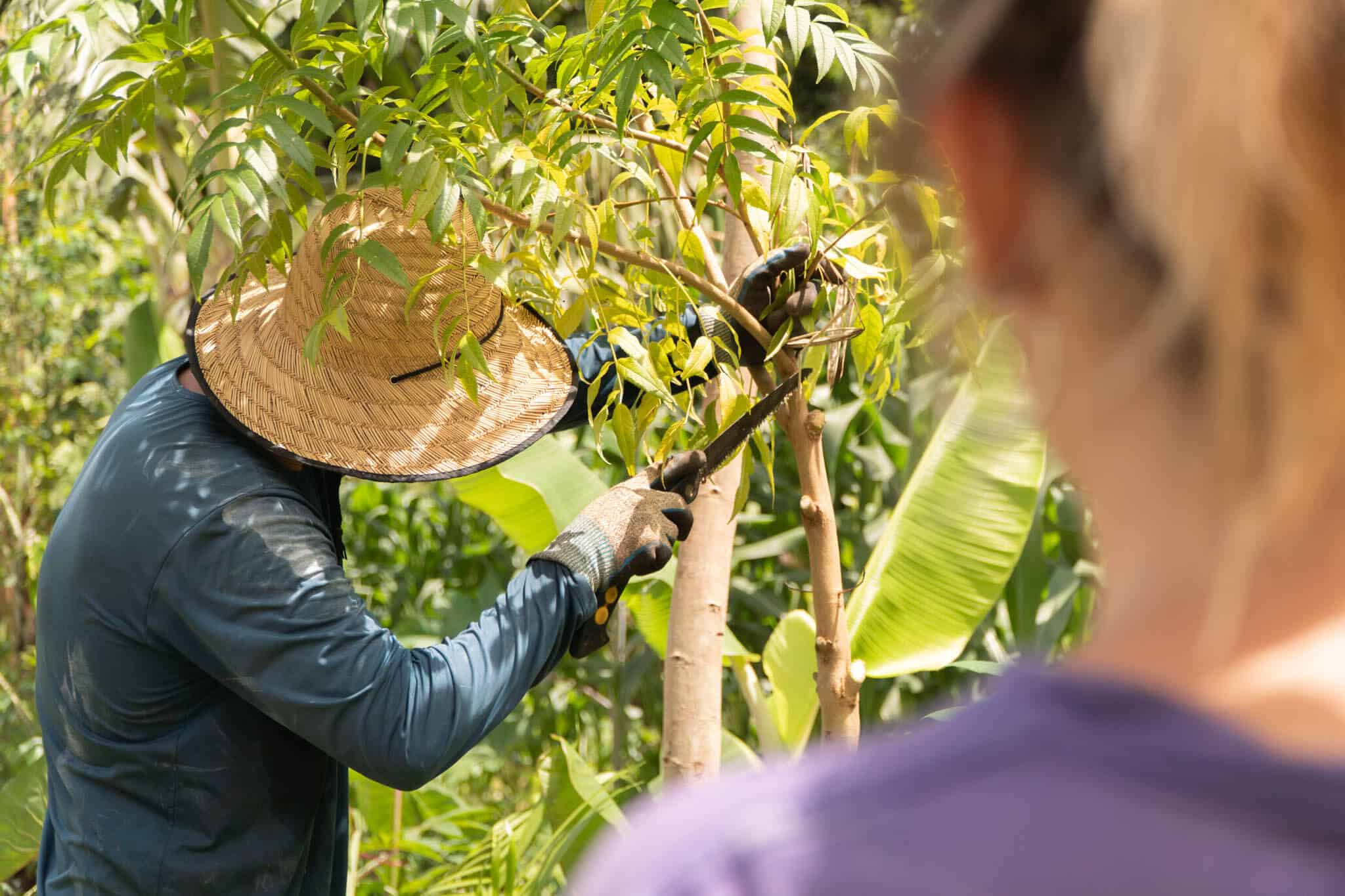
    Eucalyptus is one of the fastest-growing trees used in agroforestry. Its rapid growth allows for frequent pruning (2 to 4 times per year), generating large amounts of organic material that enriches the soil with mulch and enhances microbial life. This continuous biomass input improves soil fertility and supports the growth of fruit trees, native species, and crops.

    1. Nutrient Pumping and Soil Enrichment

    Eucalyptus has a deep root system that extracts nutrients from subsoil layers—nutrients that many plants cannot access. These nutrients are then returned to the surface through leaf litter, pruned branches, and root exudates, effectively recycling minerals and enriching the topsoil for other trees and crops.[/swmsc_text_block][/vc_column][/vc_row][vc_row css=”.vc_custom_1740408874000{margin-right: 30px !important;margin-left: 30px !important;}”][vc_column][gap size=”30px” id=”” class=”” style=””][swmsc_text_block id=”” class=”” style=””]

    1. Microclimate Regulation

    Eucalyptus trees help regulate temperature and moisture levels by providing shade and wind protection. This creates a favorable environment for sensitive understory plants, allowing native and fruit-bearing species to thrive, reducing water evaporation, and helping the overall system retain moisture.

    1. Soil Structure, Water Retention, and Mycorrhizal Fungi Stimulation

    Despite concerns about eucalyptus being a water-intensive species, it contributes to long-term soil hydration in syntropic systems. The continuous addition of organic matter through pruning improves soil structure and water retention capacity, helping to combat erosion and restore degraded land.

    Additionally, eucalyptus biomass plays a crucial role in stimulating mycorrhizal fungi activity in the soil. Mycorrhizae are beneficial fungi that form symbiotic relationships with plant roots, enhancing their ability to absorb water and nutrients. The decomposition of eucalyptus leaves and branches creates a rich organic layer that promotes fungal networks, improving nutrient exchange and soil biodiversity. This is particularly beneficial for climax trees and food-producing species, ensuring better root development and overall ecosystem resilience.[/swmsc_text_block][/vc_column][/vc_row][vc_row css=”.vc_custom_1740408960652{margin-right: 30px !important;margin-left: 30px !important;}”][vc_column width=”1/2″][swmsc_text_block id=”” class=”” style=””]

    1. Eucalyptus as a Managed Successional Tree

    Eucalyptus is not a permanent species in syntropic agroforestry but serves as a pioneer tree to facilitate the development of a more complex ecosystem. At Eco Caminhos, our system follows this structured approach:

    • Pruned 2 to 4 times per year to generate organic matter.
    • Cut entirely every 4 years to stimulate regrowth.
    • This cycle is repeated up to 3 times (approximately 12 years).
    • After 12 years, the eucalyptus does not grow back, allowing native climax trees to take over without requiring eucalyptus removal.

    By the time eucalyptus stops regenerating, native climax trees, fruit trees, and other long-term species have already established themselves, ensuring ecosystem stability and productivity.

    Watch how pruning is done in this video![/swmsc_text_block][/vc_column][vc_column width=”1/2″][vc_single_image image=”27096″ img_size=”large” css=””][/vc_column][/vc_row][vc_row css=”.vc_custom_1740408920006{margin-right: 30px !important;margin-left: 30px !important;}”][vc_column][gap size=”30px” id=”” class=”” style=””][swmsc_text_block id=”” class=”” style=””]

    Addressing Common Concerns

    Water Usage

    Eucalyptus trees do consume significant water, but in diverse agroforestry systems, this is counterbalanced by their role in soil regeneration. Their biomass input improves soil moisture retention and enhances rainwater infiltration.

    Allelopathy and Soil Depletion

    Eucalyptus is often criticized for its allelopathic effects, but these concerns primarily stem from large-scale monoculture plantations. In a high-diversity agroforestry system, continuous pruning, organic matter cycling, and the presence of other plant species prevent negative allelopathic effects, ensuring a balanced and nutrient-rich soil.[/swmsc_text_block][/vc_column][/vc_row][vc_row css=”.vc_custom_1731520578623{margin-right: 20px !important;margin-left: 20px !important;}”][vc_column width=”1/2″][gap size=”30px” id=”” class=”” style=””][swmsc_simple_section id=”” class=”” style=””][vc_single_image image=”27087″ img_size=”large” css=””][/swmsc_simple_section][/vc_column][vc_column width=”1/2″][gap size=”30px” id=”” class=”” style=””][swmsc_text_block id=”” class=”” style=””]

    Eucalyptus in Eco Caminhos’ Agroforestry Project

    At Eco Caminhos, eucalyptus plays a crucial role in pioneering and accelerating the succession process in our agroforestry systems. By leveraging its rapid growth, biomass production, and deep-root nutrient cycling, we improve soil health and facilitate the establishment of diverse, productive, and resilient agroforestry landscapes.

    After 12 years, eucalyptus naturally phases out, making way for native and productive species that ensure long-term ecosystem balance and productivity. The result is a thriving, biodiverse agricultural model that supports both sustainable food production and ecological restoration.

    [/swmsc_text_block][/vc_column][/vc_row][vc_row][vc_column][swmsc_simple_section id=”” class=”” style=””][gap size=”30px” id=”” class=”” style=””][swmsc_text_block id=”” class=”” style=””]

    Conclusion

    When used strategically in syntropic agroforestry, eucalyptus is a powerful tool for regenerating degraded land, increasing biomass production, and facilitating ecosystem development. By pruning regularly and managing its succession, farmers can maximize its benefits while ensuring the long-term sustainability of the system.

    Furthermore, eucalyptus biomass plays a key role in enhancing mycorrhizal fungi activity, which in turn improves soil structure, root development, and nutrient exchange, creating healthier and more resilient agroforestry systems.

    At Eco Caminhos, we demonstrate how eucalyptus, when properly integrated, contributes to a regenerative and profitable agroforestry model.

    Interested in seeing how we implement eucalyptus and synterpic agroforestry in practice? Visit our Agroforestry Project Page to learn more or come and learn in practice through one of our programs![/swmsc_text_block][/swmsc_simple_section][/vc_column][/vc_row]